
One block in Denver’s COVID economy: The largely Latinx Westwood got help late in the pandemic, but businesses are holding strong
Padilla and Cintron were two of ten business owners we spoke to along Morrison, on the block between Meade Street and Custer Place that’s at the heart of Westwood’s Mexican cultural district. We’re trying to understand how people who make their livelihoods in Denver have fared over the last year.
… Padilla and Cintron were two of ten business owners we spoke to along Morrison, on the block between Meade Street and Custer Place that’s at the heart of Westwood’s Mexican cultural district. We’re trying to understand how people who make their livelihoods in Denver have fared over the last year…
All six businesses on Welton Street, which we profiled last week, received some sort of loan or grant in the worst of the pandemic. But the story was a little different on Morrison Road. Four of the ten people we spoke to said they did not receive emergency support, and many of them told us access was an issue in this area dense with Latinx-owned businesses.

Westwood microbusinesses join collective to maintain dream, thrive during pandemic
DENVER — There is strength in numbers. Members of Rise Westwood Collective can attest to that.
Damaris Ronkanen, owner of Cultura Chocolate, a Latina owned "bean to bar" chocolate making company, says individually the microbusinesses that are part of the collective would have struggled to survive during the pandemic. Together, they have thrived.

Westwood artist Santiago Jaramillo connects community and heritage
Recently, Jaramillo has returned to the streets of Westwood; but this time, his intentions are vastly different. His most recent project was designing and constructing Plaza Mexica, a local gathering space owned and operated by Re:vision, a local non-profit food cooperative.
Re:Vision works to bring fresh food into the food desert that is Westwood via a locally supplied grocery store and a backyard garden program that, collectively, makes the neighborhood home to the second largest urban garden in America. Their goal, similar to Jaramillo’s and that of D3 Arts, is to empower the community by encouraging economic and personal autonomy.
Jaramillo began working with Re:vision a few years after their opening. Since his first conversation with Re:vision founder Eric Kornacki, Jaramillo has created over four full wall murals for Re:vision.
The Plaza Mexica is a brightly painted amphitheater with yellow and red Aztec figures adorned with multicolored headdresses dancing across the walls. The paintings are largely inspired by Jaramillo’s heritage and are often brightly colored contemplations on origin, the environment, and ancestry.
Recently, Jaramillo has returned to the streets of Westwood; but this time, his intentions are vastly different. His most recent project was designing and constructing Plaza Mexica, a local gathering space owned and operated by Re:vision, a local non-profit food cooperative.
Re:Vision works to bring fresh food into the food desert that is Westwood via a locally supplied grocery store and a backyard garden program that, collectively, makes the neighborhood home to the second largest urban garden in America. Their goal, similar to Jaramillo’s and that of D3 Arts, is to empower the community by encouraging economic and personal autonomy.
Jaramillo began working with Re:vision a few years after their opening. Since his first conversation with Re:vision founder Eric Kornacki, Jaramillo has created over four full wall murals for Re:vision.
The Plaza Mexica is a brightly painted amphitheater with yellow and red Aztec figures adorned with multicolored headdresses dancing across the walls. The paintings are largely inspired by Jaramillo’s heritage and are often brightly colored contemplations on origin, the environment, and ancestry.
DSW 2020: The Westwood Revolution
Re:Vision, XATRUCHO Concepts, and Cultura Craft Chocolate chat with Sterling Rice Group for Denver Startup Week.
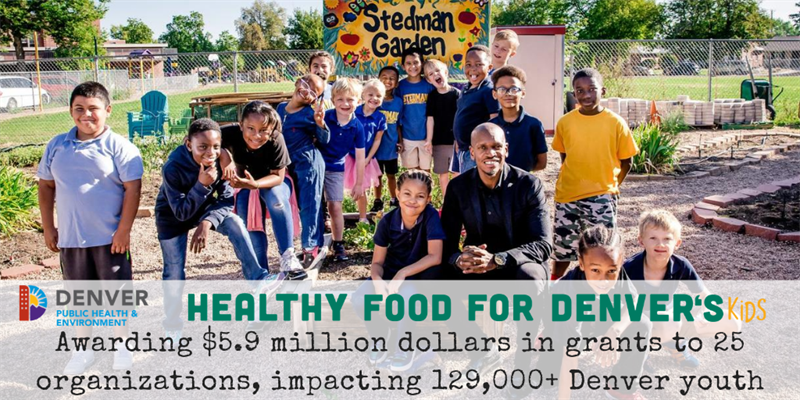
Healthy Food for Denver's Kids Grantees
The Healthy Food for Denver’s Kids (HFDK) Commission awarded $5,961,555 in grant funding to feed Denver’s children and provide education about food and nutrition. The funds were distributed through HFDK’s first round of competitive grants to non-profits and local government agencies, including DPS, who lead community-based food programs.
The Healthy Food for Denver’s Kids (HFDK) Commission awarded $5,961,555 in grant funding to feed Denver’s children and provide education about food and nutrition. The funds were distributed through HFDK’s first round of competitive grants to non-profits and local government agencies, including DPS, who lead community-based food programs.
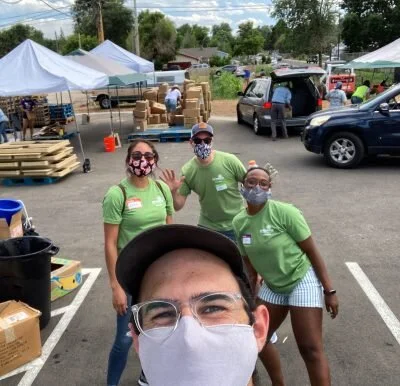
CI Volunteers at Re:Vision Westwood’s No Cost Grocery Program
I wipe the sweat away from under my mask, take a swig of Gatorade, and get back to work breaking down boxes at Re:Vision Co-op. The CI staff decided to join the finely tuned operation that is Westwood’s No Cost Grocery Program this past Wednesday. The program has been operating to distribute rescued food boxes to Westwood residents every Wednesday from 3 – 5pm…
I wipe the sweat away from under my mask, take a swig of Gatorade, and get back to work breaking down boxes at Re:Vision Co-op. The CI staff decided to join the finely tuned operation that is Westwood’s No Cost Grocery Program this past Wednesday. The program has been operating to distribute rescued food boxes to Westwood residents every Wednesday from 3 – 5pm and will be doing so through August 19th. The 4 of us are a microcosm of about 15 volunteers and Re:Vision Community Promotoras stacking and breaking down empty boxes, unboxing food items, directing traffic, and getting water for everyone. It’s a hot day but we have juices, produce, snacks, packaged foods, milk, and thermometers to box and send down the assembly line. When 5 o’clock rolls around we’ve run out of food items to package on my end of the line and thankfully everyone (including volunteer residents) are going home with a box of food. I remember overhearing that nearly 300 boxes were distributed in that 2 hour span…
KDVR Fox 31: Denver Foundation grant money helps 90 plus non-profits
“They say if they didn’t have this food from us, they wouldn’t have anything to eat,” Bahena told FOX31.
DENVER (KDVR) — The Denver Foundation has awarded another round of grants to Colorado non-profit organizations, in response to COVID-19.
They’ve awarded $2.3 million to over 90 non-profits across the state—most recently, $700,000, through their Critical Needs Fund.
One of the recipients, Re:Vision, says that grant money was vital in continuing their emergency services.
They’re a non-profit organization that helps people across southwest Denver access food.
Re:Vision is located in Denver’s Westwood neighborhood, which was struggling before the COVID-19 pandemic.
TIME Magazine: How Small Business Owners Are Banding Together to Adapt During the Coronavirus Pandemic
“It was really about coming together, relying on each of our own networks that we already had to create more awareness about each other’s businesses, to help drive more support to the whole collective,” Ronkanen said. “We have a really strong local community here in in Westwood and the majority of the businesses that are all part of this are all Latino businesses, so really just wanting to keep money within our community, having our community still feel supported was a top priority.”
For others, creating a strong community as small business owners is about providing resources to vulnerable businesses. When the pandemic guidelines hit Denver, Cultura Craft Chocolate founder and owner Damaris Ronkanen had just opened a new café and chocolate factory in the city’s Westwood neighborhood; she chose to close the cafe and her retail side in mid-March to help prevent the spread of COVID-19. After speaking to other small business owners in her community, Ronkanen that while her business had a better chance at survival (she recently received a PPP loan), there weren’t adequate resources being directed to truly small, “microbusinesses” (under nine employees) that she knew or for businesses that could no longer work under the new pandemic guidelines, like a local food truck.
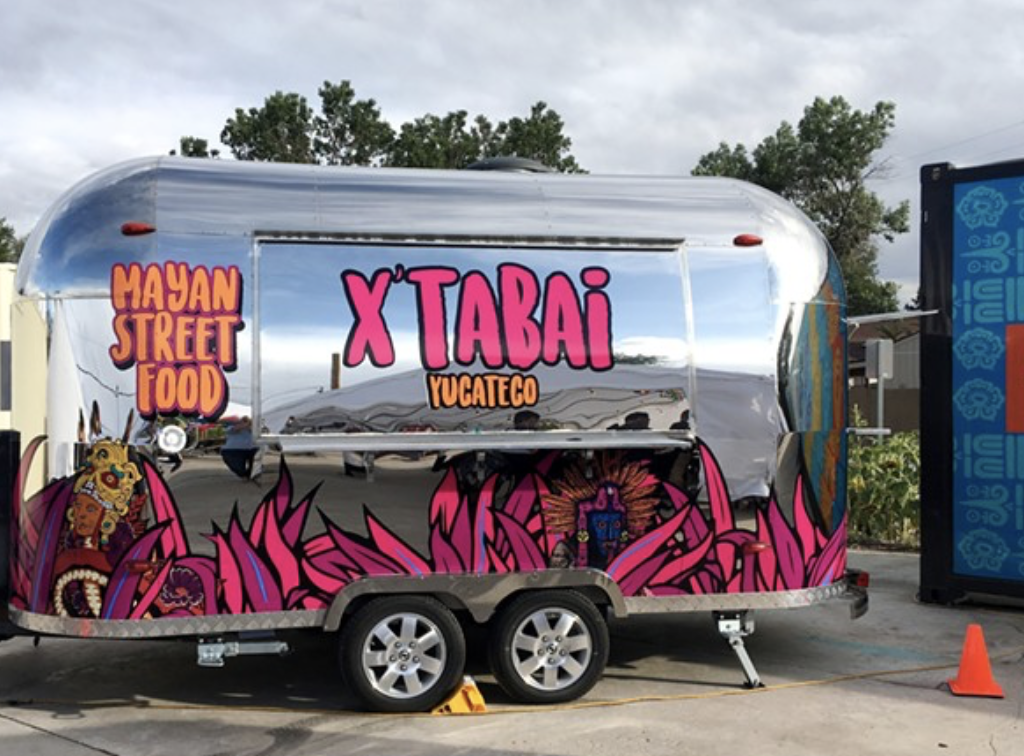
Westword: Re:Vision Shifts Gears to Help With Food Access Now
Since 2007, Re:Vision has been concerned with food insecurity in Denver's Westwood neighborhood; the organization was founded to create a network of family gardens to make up for a lack of fresh produce available in this section of southwest Denver, where grocery stores are few and far between. But the sudden economic downturn caused by the current coronavirus pandemic has made the needs of the community much more urgent.
Mark Antonation
Since 2007, Re:Vision has been concerned with food insecurity in Denver's Westwood neighborhood; the organization was founded to create a network of family gardens to make up for a lack of fresh produce available in this section of southwest Denver, where grocery stores are few and far between. But the sudden economic downturn caused by the current coronavirus pandemic has made the needs of the community much more urgent.
"Our core program is really focused on long-term food access and helping families learn how to grow their own gardens," says Re:Vision executive director JoAnna Cintrón. "But we knew we had to leverage our connections to address immediate food needs."
Tu Casa Magazine: Exitoso Primer Festival de Mole en Denver
Por Arturo García
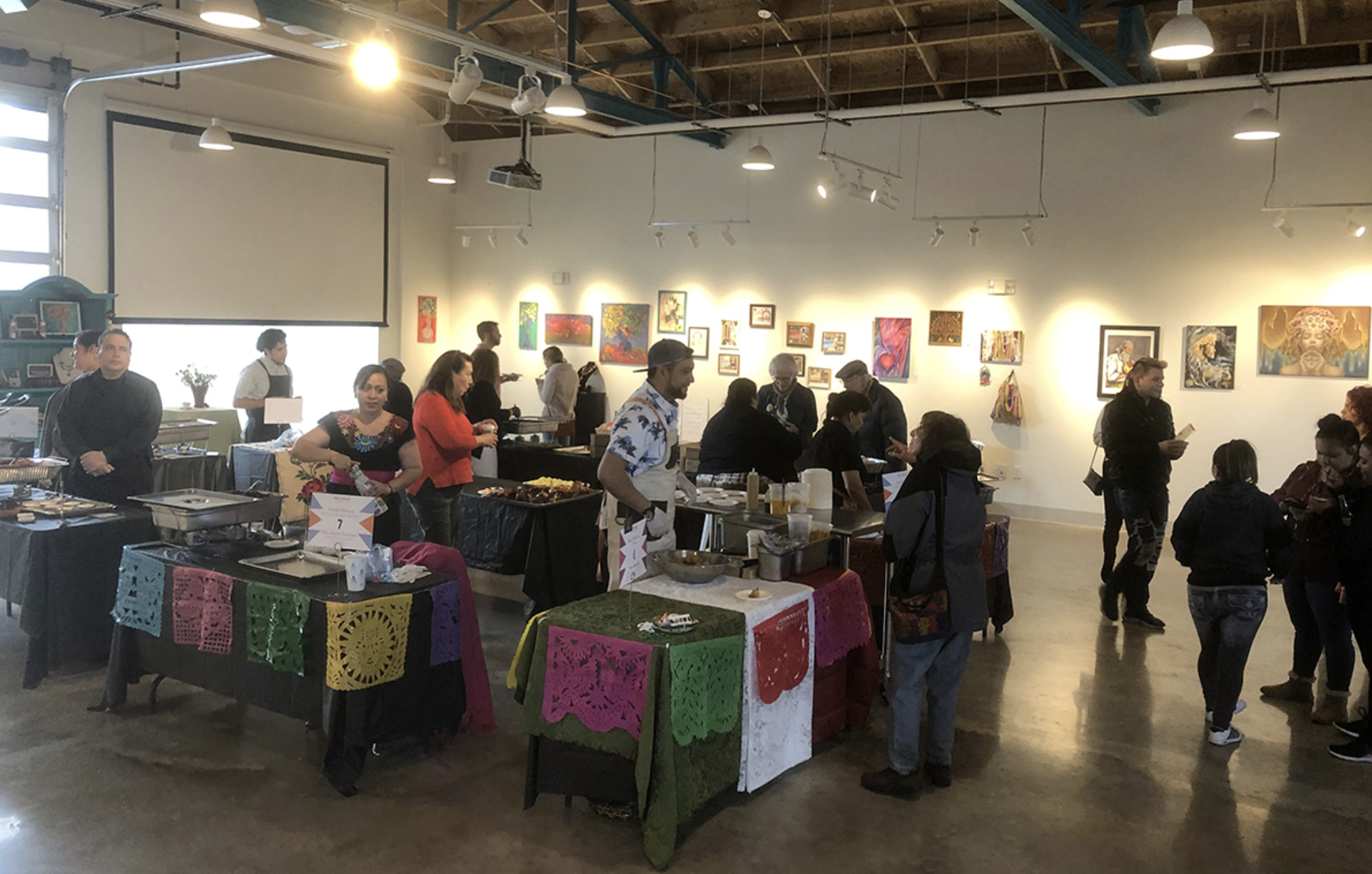
El sábado, 29 de febrero, tuve la oportunidad de darme una vuelta por Re:Vision en el barrio Westwood de Denver donde celebran el primer Festival de Mole. En este festival, distintos participantes, chefs y amateurs, compitieron para entregar su mejor receta. El jurado estuvo compuesto por nada menos que los asistentes que aprobaron n los distintos moles que se ofrecieron. En esta exhibición destacaron las recetas oaxaqueñas, poblanas, yucatecas y de otras regiones de México.
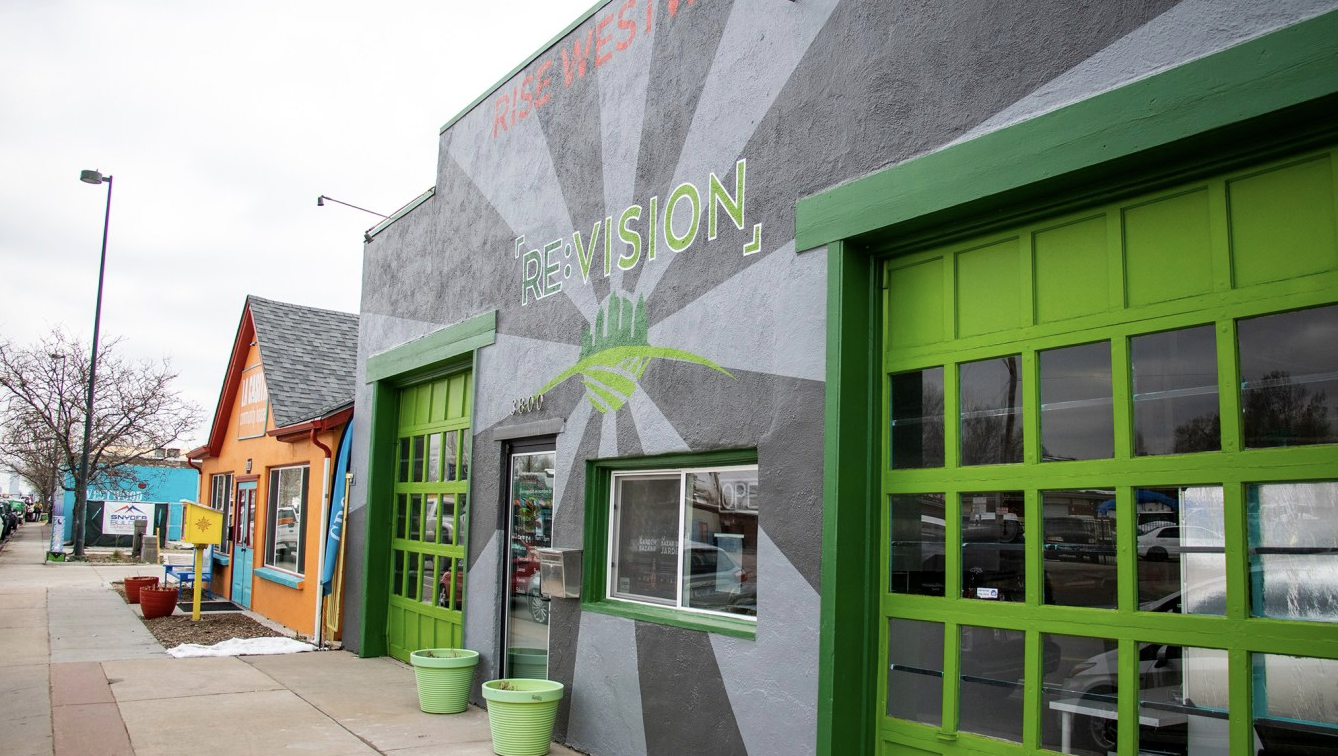
Denverite: What happens to a co-op in a food desert during a pandemic?
Westwood is first in the city in a lot of things. It has the largest concentration of renters in Denver, the largest population of children and has a relatively high rate of COVID-19 infections.
My partner and I moved to the neighborhood in December, and shortly thereafter joined up as members of the Westwood Food Cooperative. Food insecurity is a problem for this neighborhood, and the co-op down the street from us fills an important need.
https://denverite.com/2020/04/16/what-happens-to-a-co-op-in-a-food-desert-during-a-pandemic/
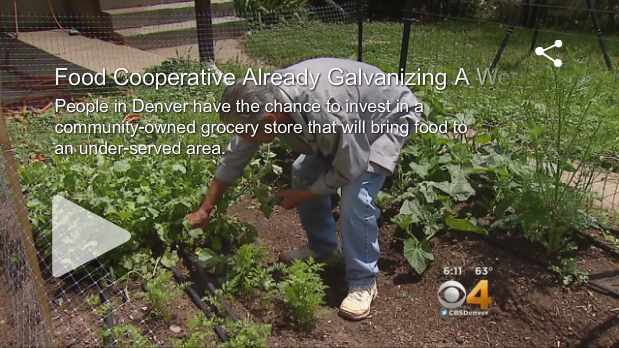
Cooperative Offers Solution In West Denver Food Desert
The Westwood Food Cooperative is not scheduled to open until 2016, but right now residents can buy memberships that will eventually give them access to fresh fruits and vegetables. The cooperative will be the neighborhood’s first full service grocery store, and it will be owned by the residents themselves.
The Westwood Food Cooperative is not scheduled to open until 2016, but right now residents can buy memberships that will eventually give them access to fresh fruits and vegetables. The cooperative will be the neighborhood’s first full service grocery store, and it will be owned by the residents themselves.
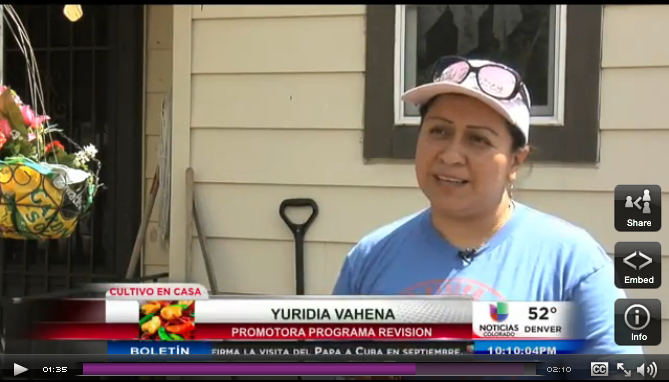
Programa de cultivo de alimentos en casa
Se buscan familias del suroeste de Denver, interesadas en comer saludable por medio de la siembra y cosecha de alimentos en su propio jardín. La fecha límite es el 30 de Abril.
Se buscan familias del suroeste de Denver, interesadas en comer saludable por medio de la siembra y cosecha de alimentos en su propio jardín. La fecha límite es el 30 de Abril.
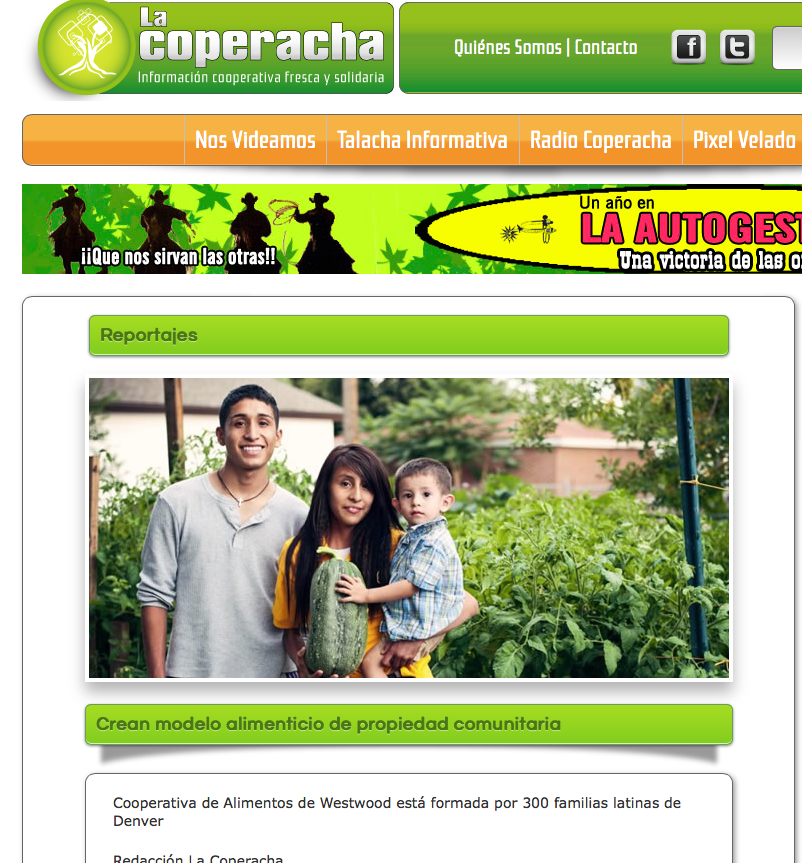
Cooperativa de Alimentos de Westwood está formada por 300 familias latinas de Denver
En la ciudad de Westwood, en Denver, existe un barrio hispano que ha puesto en práctica un “sistema alimenticio de propiedad comunitaria” que produce alimentos saludables y busca abrir un mercado bajo la figura cooperativa (Westwood Food Cooperative –WFC), donde todos sean parcialmente dueños.
En la ciudad de Westwood, en Denver, existe un barrio hispano que ha puesto en práctica un “sistema alimenticio de propiedad comunitaria” que produce alimentos saludables y busca abrir un mercado bajo la figura cooperativa (Westwood Food Cooperative –WFC), donde todos sean parcialmente dueños.
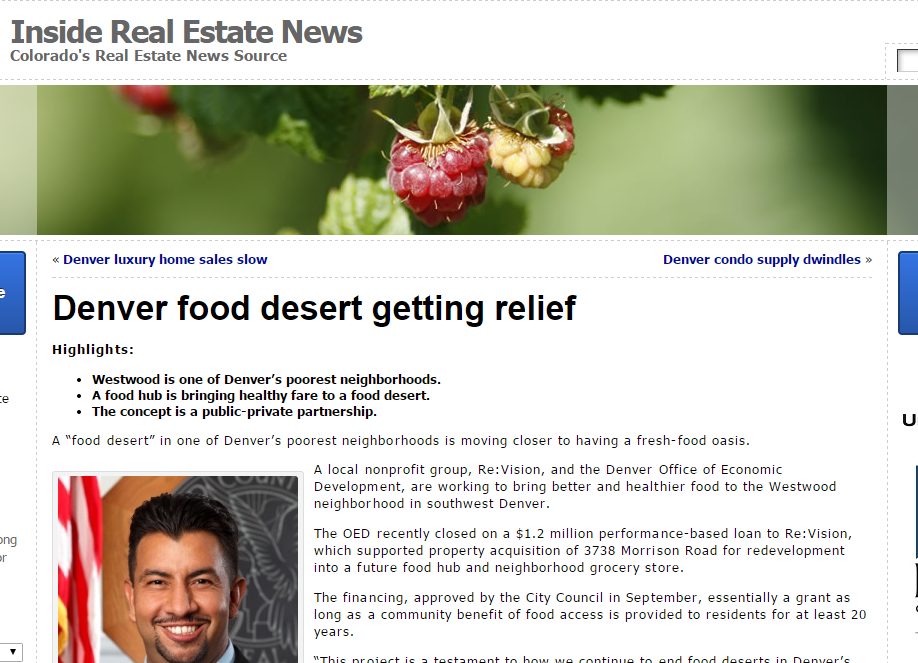
Denver food desert getting relief
A “food desert” in one of Denver’s poorest neighborhoods is moving closer to having a fresh-food oasis.
A local nonprofit group, Re:Vision, and the Denver Office of Economic Development, are working to bring better and healthier food to the Westwood neighborhood in southwest Denver.
A “food desert” in one of Denver’s poorest neighborhoods is moving closer to having a fresh-food oasis.
A local nonprofit group, Re:Vision, and the Denver Office of Economic Development, are working to bring better and healthier food to the Westwood neighborhood in southwest Denver.
Denver eco-devo office loans $1.2 million to get grocer for Westwood
A $1.2 million loan approved by the Denver Office of Economic Development will be used to bring a neighborhood grocery store to the Westwood area.
Local nonprofit Re:Vision obtained the loan in late September from the Denver OED to acquire a building at 3738 Morrison Road in the southwest Denver neighborhood to house a grocery store for the neighborhood.
A $1.2 million loan approved by the Denver Office of Economic Development will be used to bring a neighborhood grocery store to the Westwood area.
Local nonprofit Re:Vision obtained the loan in late September from the Denver OED to acquire a building at 3738 Morrison Road in the southwest Denver neighborhood to house a grocery store for the neighborhood.
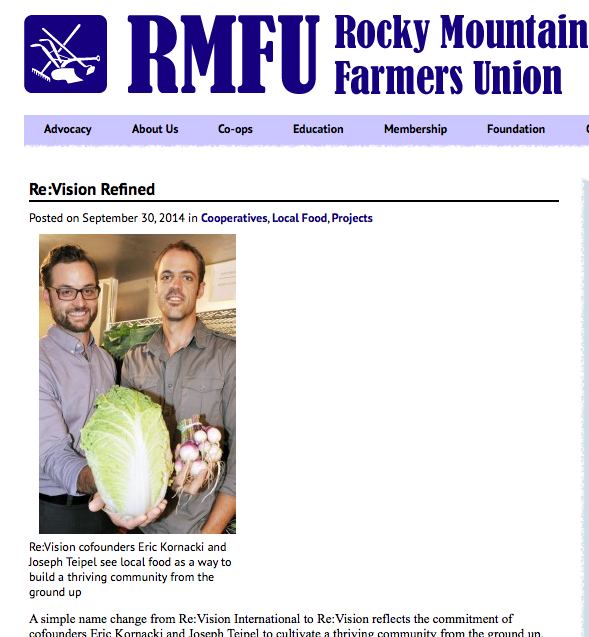
Re:Vision Refined
A simple name change from Re:Vision International to Re:Vision reflects the commitment of cofounders Eric Kornacki and Joseph Teipel to cultivate a thriving community from the ground up. They are enthusiastically encouraging residents of this urban neighborhood southwest of downtown Denver to create their own economic opportunities by using their own hands.
A simple name change from Re:Vision International to Re:Vision reflects the commitment of cofounders Eric Kornacki and Joseph Teipel to cultivate a thriving community from the ground up. They are enthusiastically encouraging residents of this urban neighborhood southwest of downtown Denver to create their own economic opportunities by using their own hands.
Re:Vision International is connecting Denver residents with good food
Everyone has moments of clarity, where they understand something important about their lives. Barbara Frommell acted on hers.
She quit a perfectly good job as a Denver city planner in order to become development coordinator for Re:Vision International, a nonprofit working to improve access to healthy food in low income communities in Denver.
Everyone has moments of clarity, where they understand something important about their lives. Barbara Frommell acted on hers.
She quit a perfectly good job as a Denver city planner in order to become development coordinator for Re:Vision International, a nonprofit working to improve access to healthy food in low income communities in Denver.
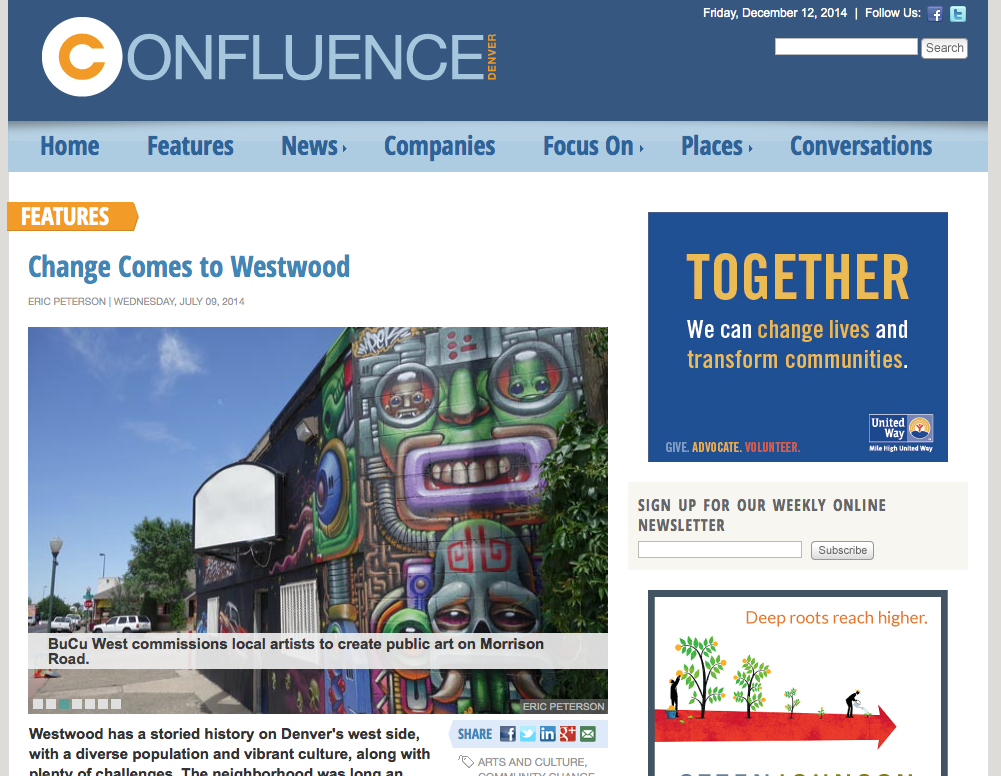
Change Comes to Westwood
Westwood has a storied history on Denver's west side, with a diverse population and vibrant culture, along with plenty of challenges. The neighborhood was long an afterthought in the city's plans, but City Councilman Paul López has been fighting to change that, with visible -- and colorful -- results.
Westwood has a storied history on Denver's west side, with a diverse population and vibrant culture, along with plenty of challenges. The neighborhood was long an afterthought in the city's plans, but City Councilman Paul López has been fighting to change that, with visible -- and colorful -- results.